
Reduce uncertainty before a dig
Understanding the likely line path and defect location helps shape safe access and the repair approach.
Planning a buried-line repair begins with understanding where the line runs, what failed and how crews can safely reach it.
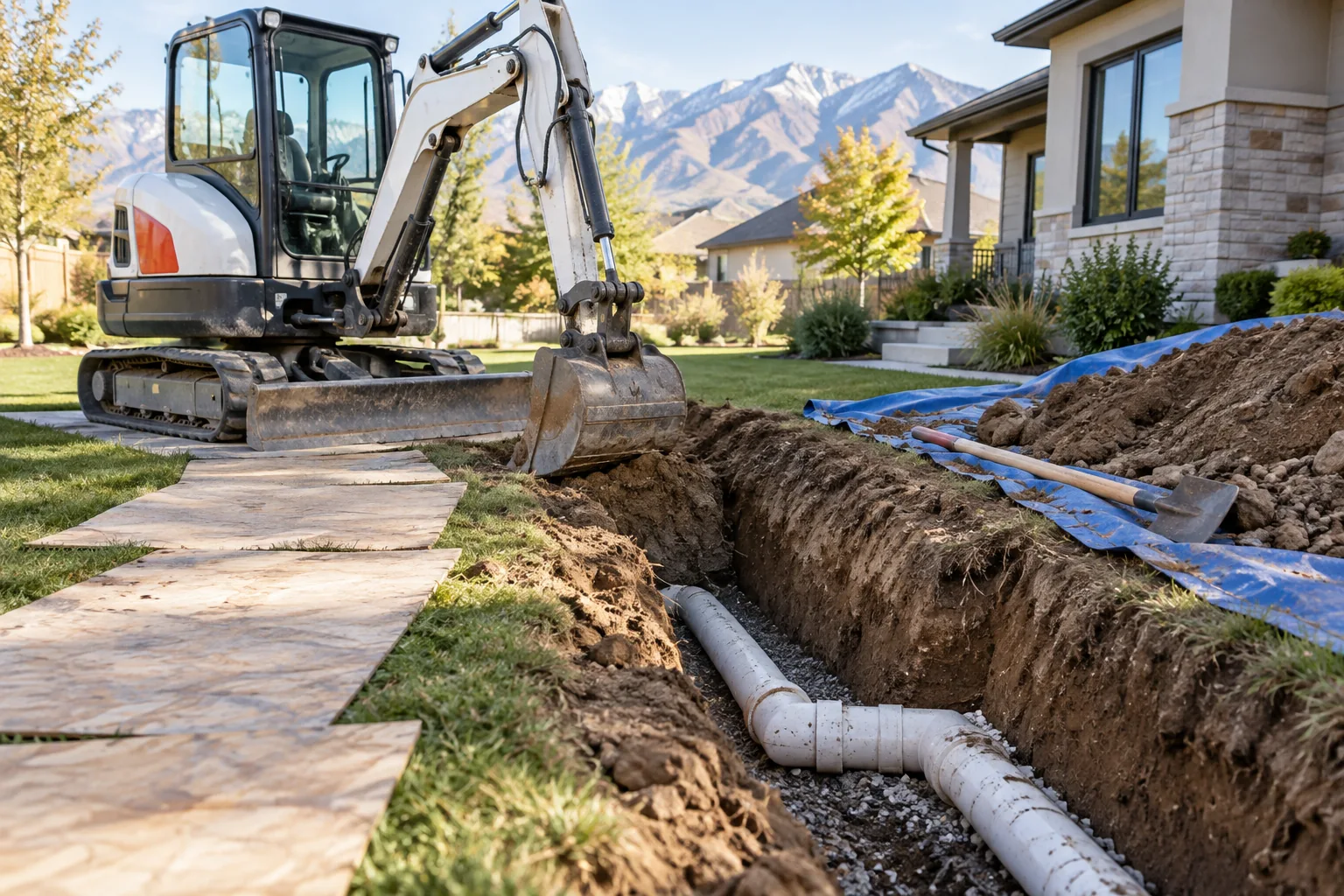
Line location, depth and access shape the repair method, project impact and questions to settle before a dig.
Why choose our teamUnderstanding the likely line path and defect location helps shape safe access and the repair approach.
Depth, utilities, structures and paved areas can change what a practical repair looks like.
What information is still needed before a responsible repair scope can be proposed?
Locating a problem is useful because it informs the next step. We can discuss inspection findings alongside the targeted dig, trenchless or replacement options available for the line.
Our trained, experienced technicians use modern methods and tools suited to the problem. A careful evaluation helps the customer understand the work before choosing a repair path.
Guessing where a buried failure sits can send a crew to the wrong area.
Exploratory digging, delayed repairs and added restoration can follow an uncertain location.
Diagnostic and locating tools help narrow the line path and align the repair plan with the property conditions.
Safety note: Buried utilities and trench conditions require a planned work area. Keep people away from an open excavation and leave line locating and digging to qualified crews.
Review prior inspections and available property information.
Assess the line path and access needs.
Discuss repair methods, project scope and questions about permits or restoration.
Symptoms are a starting point. Inspection, locating and a site assessment may be needed to plan the actual work.
The right method, price and appointment time depend on the diagnosis, scope and current availability. Call to discuss your property, or use booking to request a time.
Tell us what’s happening. We’ll help you plan the next step.